
Breaking the Silence: PTSD Awareness

June 10, 2024
June is PTSD Awareness Month and is a time to support healing, foster understanding and spread hope for those who suffer from trauma.
What is PTSD?
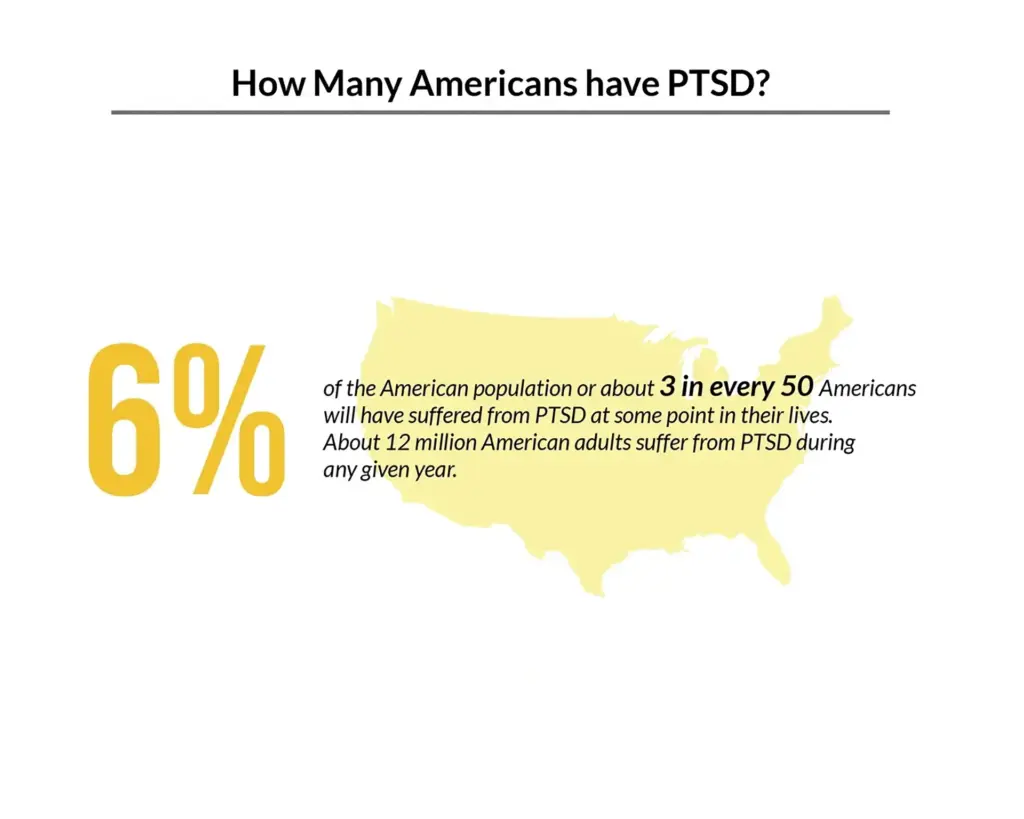
PTSD, also known as Post Traumatic Stress Disorder, is a mental health condition that occurs in individuals who have witnessed or experienced a traumatic event. PTSD can stem from one or many distressing events and can affect an individual’s emotional, mental and physical well-being. This mental health condition can occur in those of all ages and is relatively common. About 6 out of every 100 people (6%) in the United States will have PTSD at some point in their lives. It should also be noted that women are more likely to develop PTSD compared to men. It has been reported that approximately 8% of women and only 4% of men will have PTSD at some point in their life.
What are the symptoms of PTSD?
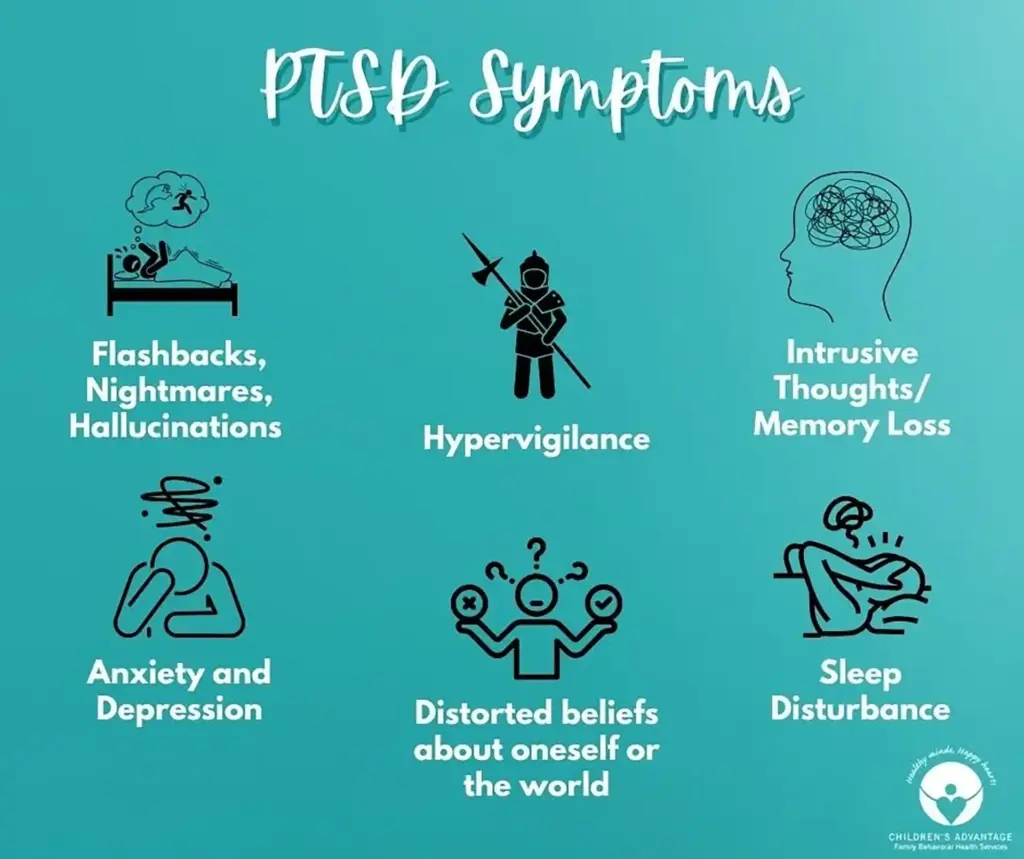
There are several common symptoms of PSTD including flashbacks, anxiety, depression, hyper vigilance, distorted beliefs, intrusive thoughts, as well as sleep disturbances. Symptoms may show up differently in individuals.
To read the full list of PTSD symptoms, click on the article below.
PTSD Basics – PTSD: National Center for PTSD (va.gov)
What treatments are available?
Trauma-focused psychotherapy as well as PTSD medication are proven to help and treat Post Traumatic Stress Disorder. The most effective types of trauma-focused psychotherapy include cognitive processing therapy (CPT), prolonged exposure (PE), and eye movement desensitization and reprocessing (EMDR). These types of therapy can range from learning skills to understand your trauma to focusing on sounds or hand movements while talking about your trauma. For more information on the different types of treatment plans, click the link below.
Talk Therapy – PTSD: National Center for PTSD (va.gov)
How can we bring awareness to PTSD?
We can bring awareness to PTSD by educating ourselves on the signs/symptoms and treatment options for those struggling. Furthermore, sharing the knowledge you have learned with others will help reduce the stigma and bring attention to this mental health condition. If you know someone with PTSD, provide them with emotional support by actively listening, being patient and encouraging professional help. Read the article below for more information on PTSD Awareness Month.
June is PTSD Awareness Month. Here’s What You Need to Know – Grow Therapy
Sources:
How Common is PTSD in Adults? – PTSD: National Center for PTSD (va.gov)
2024 Workforce Mental Health Trends Forecast | Lyra Health