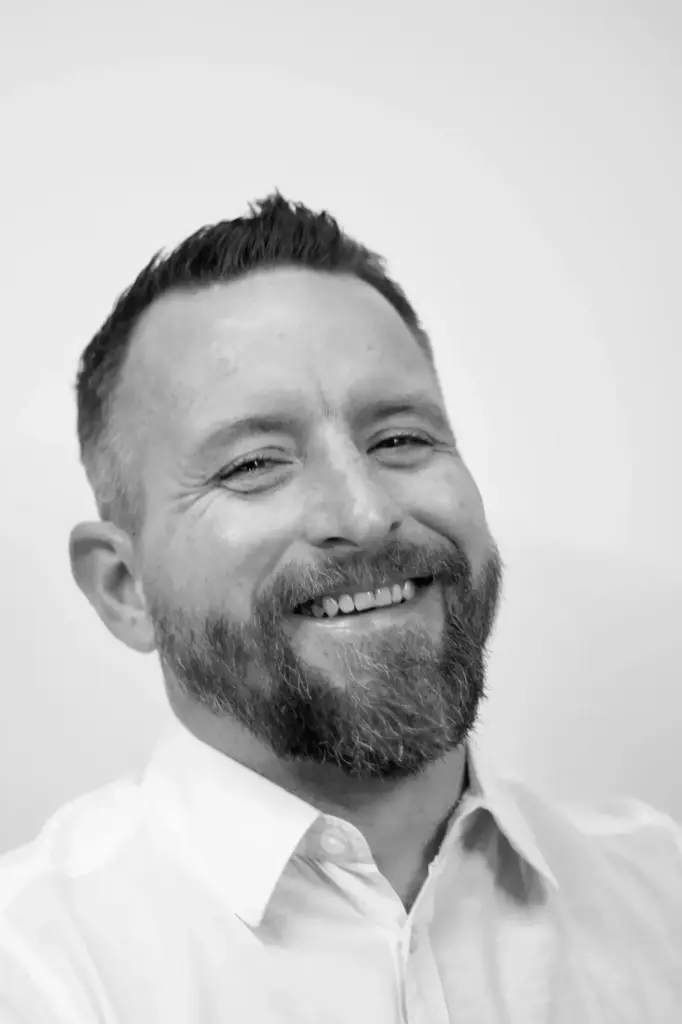
Rick’s Spotlight
March 1, 2024
March is social work month! We have asked our social workers to answer a questionnaire to spotlight their passion and commitment. Here’s Rick’s Spotlight:
Q. What is your favorite part of your job?
My favorite part of the job is the kids. While the team I work with is nothing short of awesome, the kids are and always have been the best part of the job. After doing this for so long, I have been lucky enough to see some long-term outcomes with kids that I’ve worked with in the past. To this day, there are still students that will get in touch, after not speaking for years, and ask for some guidance. Sometimes it can be just a thank you. Other times, it’s just catching up with how great they have been doing since we had last spoke. It is a very rewarding experience that takes a large time investment but has the greatest emotional return.
Q: How long have you been a social worker and why did you choose this profession?
I was providing direct care to individuals with Developmental Disabilities for almost 5-years while attending YSU. I graduated with a BSW and passed my licensure exam in 2007. Originally, I had been an education major and was even in my student teaching program when I decided to switch to Social Work. As it just so happened to be, the teacher I was supposed to be student teaching with just kept making me go in the hallway with the “bad kids.” While in the hallway, I’d help them with their work and talk to them about their day, thoughts, opinions, anything. Regardless of age, I found that a lot of kids (way more than is acceptable) not only had no one to speak to, they had no one that listened. So, through what could be thought of as a misfortunate student teaching placement, turned into a great career. Which allowed me to provide more support to the children that were struggling and in need of the extra care.
Q: What would you tell someone interested in becoming a social worker?
To listen, be open to being wrong, and always try to recognize what you don’t know. Always be open to learning and changing your own perspective. Outside of that, all of the good Social Workers I have ever encountered just had a gift. One of those things that isn’t teachable, it just exists. A great example of that is remembering your favorite teachers, and also your least favorite teachers. Recalling the reasons for thinking of each in the ways you do is important. I feel like everyone working in the humanities field needs to work at always being the best, most honest versions of themselves in order to get the best, most honest outcomes from the treatment they provide.
Q: How do you prioritize self-care and what does it look like for you?
Self-care for me is just about time management. I am a very large proponent of time. Time is a currency that you can never get back, so how it is spent is very important. I make sure that when I’m working, I am doing my job to the best of my ability. That way, I know I can say to myself that the time I spent attempting to help another person is spent the best way possible. On the opposite end, I make clear lines for when “work is done for the day” and what that looks like. Once my “workday” is done, I spend a lot of time with my wife, my 20-year-old who is still squatting in our house, and I watch a lot of movies with my dogs. (My 20-year-old thought that was a funny joke, he’s on his way to becoming an electrician, and I’m very proud…But he is squatting) Film is an actual hobby of mine. I’ve been into it since as far back as I can remember and still keep up with film to this day. I believe everyone should have a good healthy hobby to spend their personal time on. Something that they can make their own. I share my hobby with my wife, but it has been a personal hobby of mine for over 30-years and I am a total proud nerd about film.
Q: How do you describe Children’s Advantage to families who have never heard of it?
When people ask me about where I work, I give them the name and when the inevitable question comes in regard to “what do they do?” I always respond with “It’s a community mental health agency for youths who are struggling in a wide range of ways.” I have also started to include that we have been attempting to assist parents of the kids we have, as Children’s Advantage clearly knows the best approach to assist any child is a wrap-around approach, supporting any/everyone involved in treatment. Which is why, I also explain, we have so many groups available for not just the kids, but for the kids and their parents together to work through whatever issues are currently causing concern